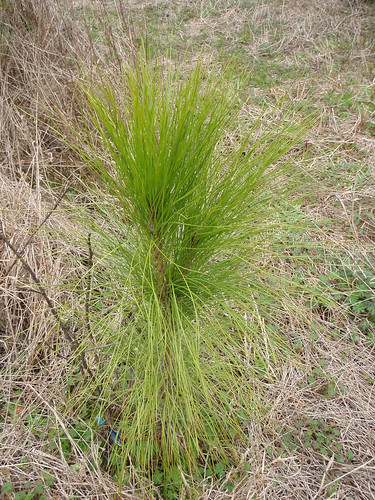
This one has a branch already.
Picture by Gretchen Quarterman, 7 Feb 2010, Lowndes County, Georgia.
This one has a branch already.
Picture by Gretchen Quarterman, 7 Feb 2010, Lowndes County, Georgia.
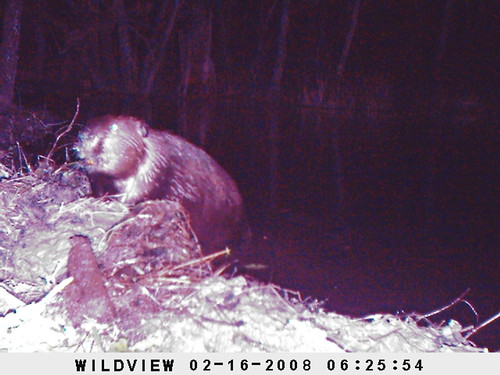
It’s best to watch this as a slideshow.
Pictures by Gretchen Quarterman’s wildlife camera, 22 Feb 2008, Lowndes County, Georgia.
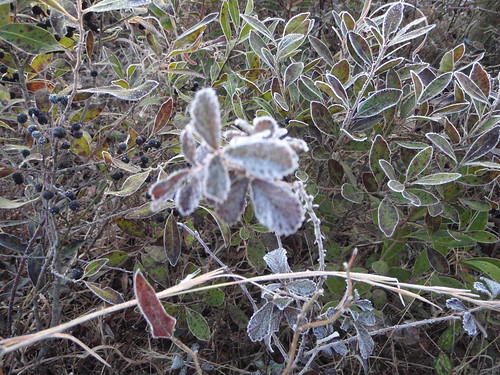
Picture by Gretchen Quarterman, 8 Feb 2010, Lowndes County, Georgia.
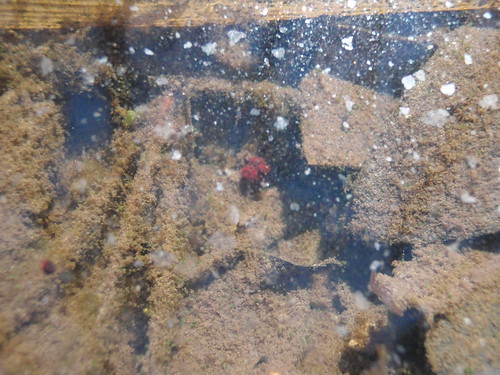
Pictures by Gretchen Quarterman, 27 Jan 2010, Lowndes County, Georgia.
 It’s a funny thing about monocultures. They’re highly vulnerable to anything
that affects that particular variety.
Dr. Mae-Wan Ho writes:
It’s a funny thing about monocultures. They’re highly vulnerable to anything
that affects that particular variety.
Dr. Mae-Wan Ho writes:
The scene is set at harvest time in Arkansas October 2009. Grim-faced farmers and scientists speak from fields infested with giant pigweed plants that can withstand as much glyphosate herbicide as you can afford to douse on them. One farmer spent US$0.5 million in three months trying to clear the monster weeds in vain; they stop combine harvesters and break hand tools. Already, an estimated one million acres of soybean and cotton crops in Arkansas have become infested.The palmer amaranth or palmer pigweed is the most dreaded weed. It can grow 7-8 feet tall, withstand withering heat and prolonged droughts, produce thousands of seeds and has a root system that drains nutrients away from crops. If left unchecked, it would take over a field in a year.
Meanwhile in North Carolina Perquimans County, farmer and extension worker Paul Smith has just found the offending weed in his field [3], and he too, will have to hire a migrant crew to remove the weed by hand.
Here’s the good news: Continue reading
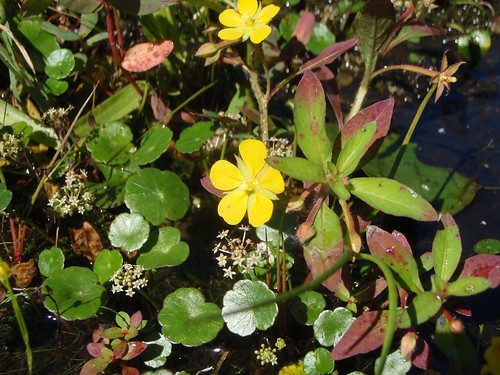
These yellow and white flowers are growing on floating bottom in the middle of a pond. Looks like a lush prairie:
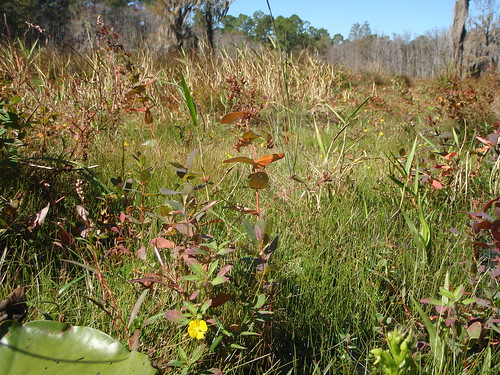
But if you step on it, you will sink through into water. Here’s what you find at the edge of the floating bottom:
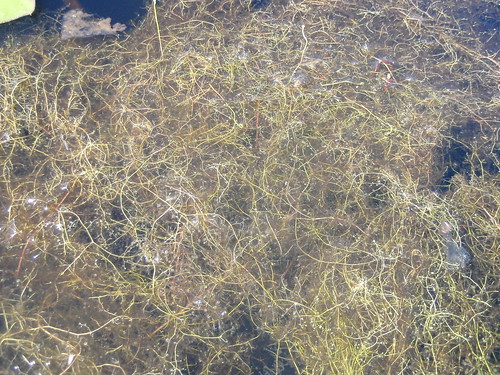
I think that’s bladderwort, which is a carnivorous plant that eats small insects.
And for another color:
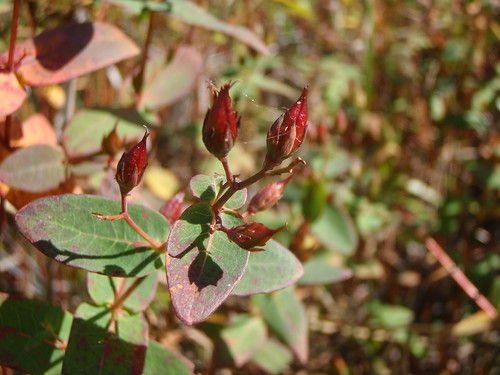
Pictures by Gretchen Quarterman, 1 Nov 2009, Lowndes County, Georgia. More pictures in the flickr set.
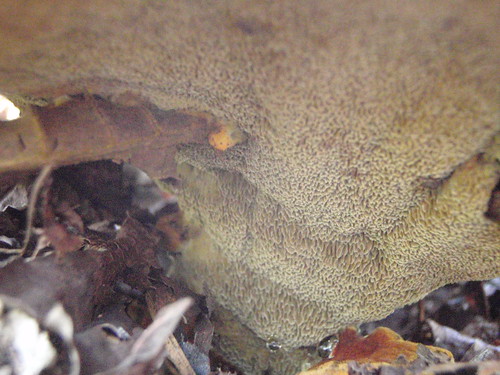
Stem? Continue reading
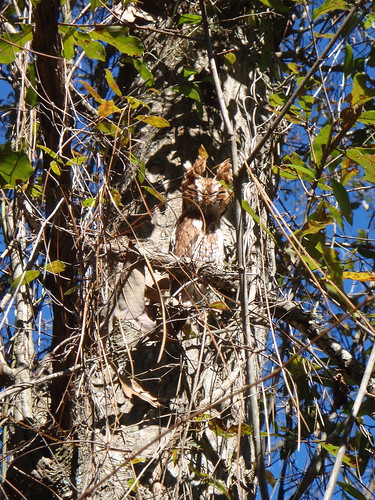
Who, us?
Pictures by Gretchen Quarterman, 6 Jan 2009, Lowndes County, Georgia.
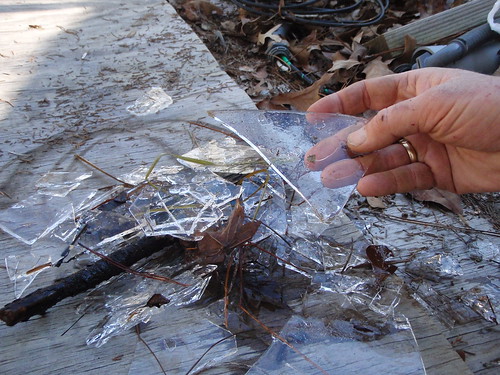
Pictures by Gretchen Quarterman, Lowndes County, Georgia, 6 Jan 2010.
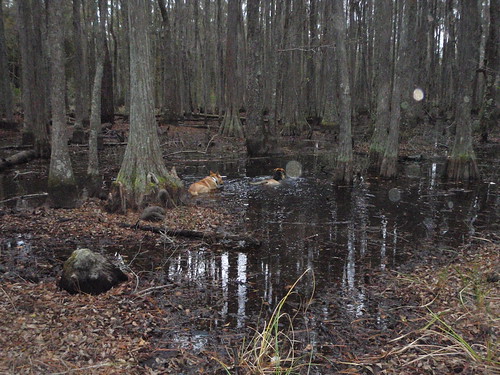
Glorious mud! Continue reading