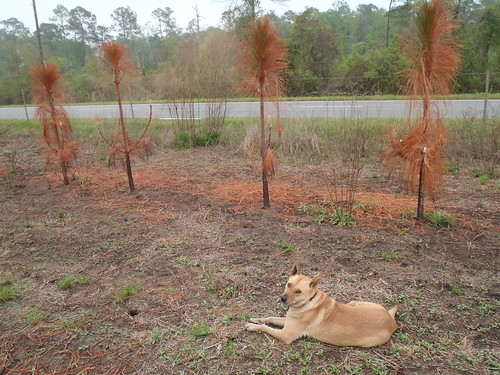
The yellow dog is right: I burned those trees! Before picture of one of them: Continue reading
The yellow dog is right: I burned those trees! Before picture of one of them: Continue reading
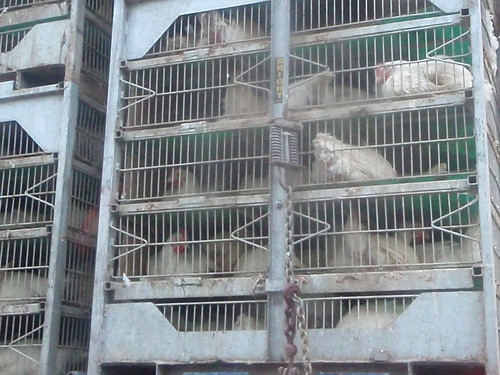
I recognized them from Food, Inc. They get them out of the chicken houses at night. It was maybe around 8 o’clock in the morning. (7:51 according to the timestamp.) According to Food, Inc., they’re put in the cages as little babies, and they put the sides down. These chickens have probably never seen daylight before: Continue reading
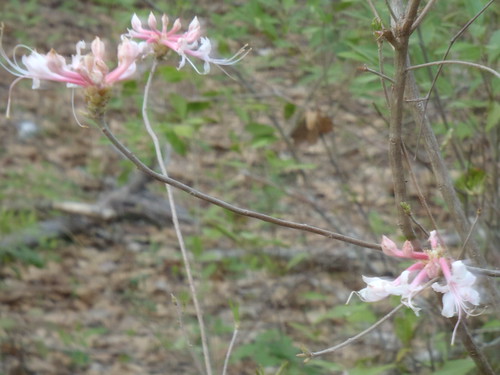
Nope, not honeysuckle: that’s a vine; these azaleas grow on a bush.
These ones had not quite opened yet: Continue reading
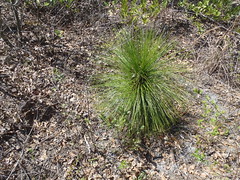 Pinus palustris of various sizes.
We planted these trees four years ago.
This one is bolting up from grass stage.
Pinus palustris of various sizes.
We planted these trees four years ago.
This one is bolting up from grass stage.
Bottle brush stage (plus starting some branches): Continue reading
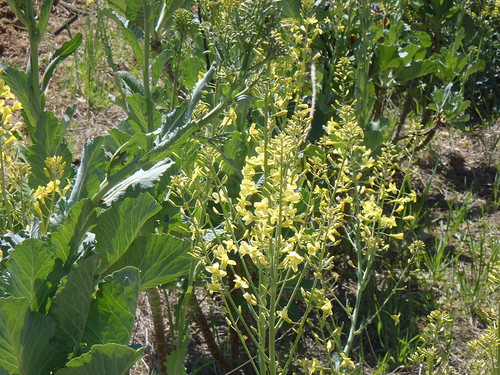
Pictures by John S. Quarterman, Lowndes County, Georgia, 17 March 2011.
-jsq
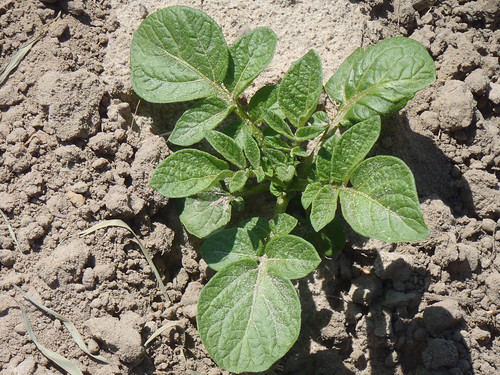
Pictures by John S. Quarterman, Lowndes County, Georgia, 17 March 2011.
-jsq
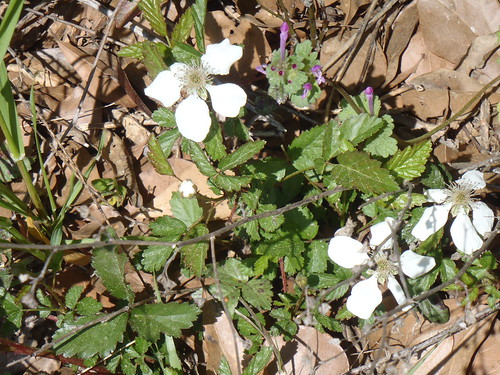
Pictures by John S. Quarterman, Lowndes County, Georgia, 17 March 2011.
-jsq
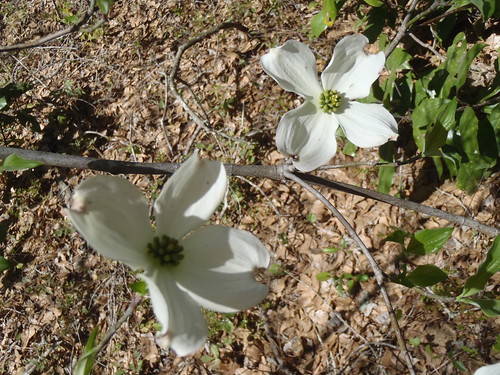
Pictures by John S. Quarterman, Lowndes County, Georgia, 17 March 2011.
More dogwoods of previous years.
-jsq
It’s harmless, except to small rodents that live in corn fields. Elaphe guttata is a constrictor. This one was 3 or 4 feet long. They’re native to the U.S. southeast from New Jersey to Texas. I did not know until that day that corn snakes can climb trees.
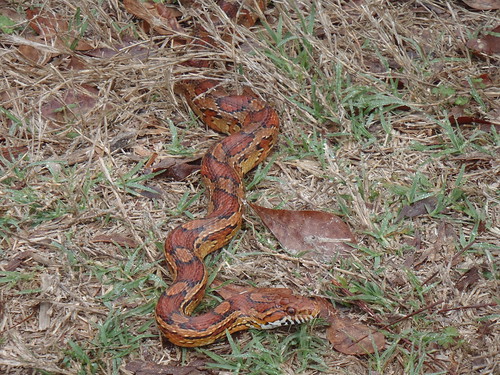
Here he is stretched out: Continue reading
a high-climbing, woody vine that is known by several names, including Carolina jessamine, poor man’s rope, or yellow jasmin.It smells good. It’s native to the U.S. southeast.
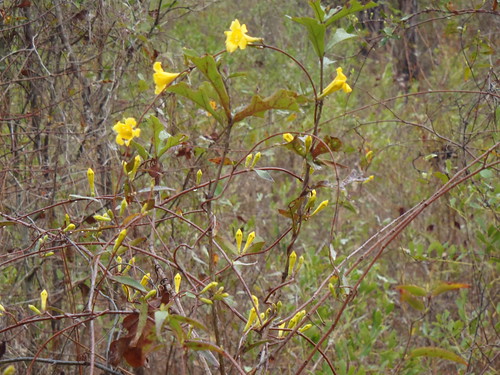
Pictures by John S. Quarterman, Lowndes County, Georgia, 28 February 2011.
-jsq